
Ajo Angels Weekly is your source for tips, deals, and insights shaping startup investing in the US and Africa. Created to help Black folks build wealth, diversify their portfolios, and impact thier communities.
🗓️ Upcoming Events
Pragmatic Summit
Summit focused on building great products and scaling world-class product engineering teams.
Dates: Feb 11, 2026
Location: San Francisco, CA
African Tech Summit
Uniting leading techies & founders to spotlight the investors & tech shaping the future of Africa.
Dates: Feb 11 to Feb 12 2026
Location: Nairobi, Kenya
📘Knowledge Drop: 5 Pillars of Private Markets
I’ve always talked about angel investing for educational topics of course because that's my focus, it's what I do. But this week I want to introduce y'all to Private Markets.
Private markets sound like some secret club until you understand that you’ve been dealing with them your whole life. You’ve just been dealing with them from the outside looking in.
Most people’s investment world starts and ends with the stock market. That’s the part where a lot of the biggest moves already happened before you got there.
Private markets are basically everything investable that exists and happens before a company hits the stock market if it becomes available to the public at alll. It’s businesses and groups raising money, growing, buying things, lending money and building stuff without the public markets (stock exchanges like NYSE/Nasdaq) being the middleman.
The key thing to understand about private markets is that it’s not just one bucket. It’s a category of different types of investment paths.
Here are the 5 fundamental types:
Private equity is when investors buy a large ownership stake in an already established private company. A business with customers, revenue, and operations that can be improved. The play is usually to make the business run better, grow profits, then sell it later for more than you paid.
Private credit is lending. Companies borrow money outside the public bond market, and investors get paid interest for money they lend. Its where investment groups act as the bank for companies and projects. The difference is that private credit usually comes with more guardrails: covenants, collateral, and seniority, which is a sophisticated way of saying that if something goes wrong, they are closer to the front of the line to get thier money back.
Private real estate is what it sounds like, but people overcomplicate it. It’s owning or funding properties through private deals or funds, your returns come from rent, improvements, and resale. It can be boring in the best way, but it can also humble you quickly if you underestimate the execution side.
Real assets and infrastructure is the stuff that keeps the lights on, the water running, and the internet moving. Think energy, utilities, data centers, transportation, and other tangible, cash-flowing assets. People sleep on this category, but it can be a strong performer for generating cash flow.
Venture capital is a topic we’ve already gone deep on via the past newsletter editions, so if you’ve been keeping up, you should know the basics. It’s money going into high-growth startups, usually before they’re proven. Its based on the concept that a handful of winners will carry the returns for everything else that doesn't make it. And when it hits, it can hit big!
So for this edition, I went wider vs deeper like I normally do. I wanted to be clear that private markets aren’t only about startups. They’re also buyouts, lending, real estate, and infrastructure. I waited to paint the full picture for what it really is; a whole other side of the investing world that most people have never heard about.
Public markets are not THE market. They are just one market. Private markets are the other side of that coin, and a lot of wealth building opportunities sit on that side. In fact, most of the wealthiest people in the world got rich on that side. Its the side where true ownership can be had.
The reason this matters is because most people set financial goals but never truly understand all of the relevant ways to meet those goals. Better accomplishments don’t come from just new goals, they come from better opportunities, better understanding and better execution.
So thats the private market overview, lmk if you wanna go deeper on any of these.
🦄Deals On My Desk
40 Acres is a community-owned development platform that lets everyday people own part of real estate projects in their own neighborhoods. Members can start with as little as $100 and share in the income from housing, farms, and local businesses.
The Backstory: Across many U.S. cities, land is being rebuilt, but the people who stayed through hard times often get nothing from the growth. In Detroit, outside money flowed in while residents were priced out of ownership. The team behind 40 Acres saw this problem and built a new model where communities pool money, co-own projects, and benefit together.
Key Innovation: 40 Acres combines a digital platform with a simple ownership model that turns vacant land into income-producing projects owned by the community. By using modular and container-based construction, projects can be built in weeks instead of years, cutting costs and speeding up income. This makes real ownership fast, affordable, and transparent for local residents.
Funding: 40 Acres is raising early capital to activate its first Kalamazoo site, complete legal and compliance setup, onboard members to the platform, and prepare future development sites.
❓Did You Know
Black founders are more likely to build profitable businesses early, but because they raise less capital, they are often forced to sell sooner, leaving billions in upside on the table that early investors usually capture elsewhere?
Cheers,
Abdul
About Our Chairman
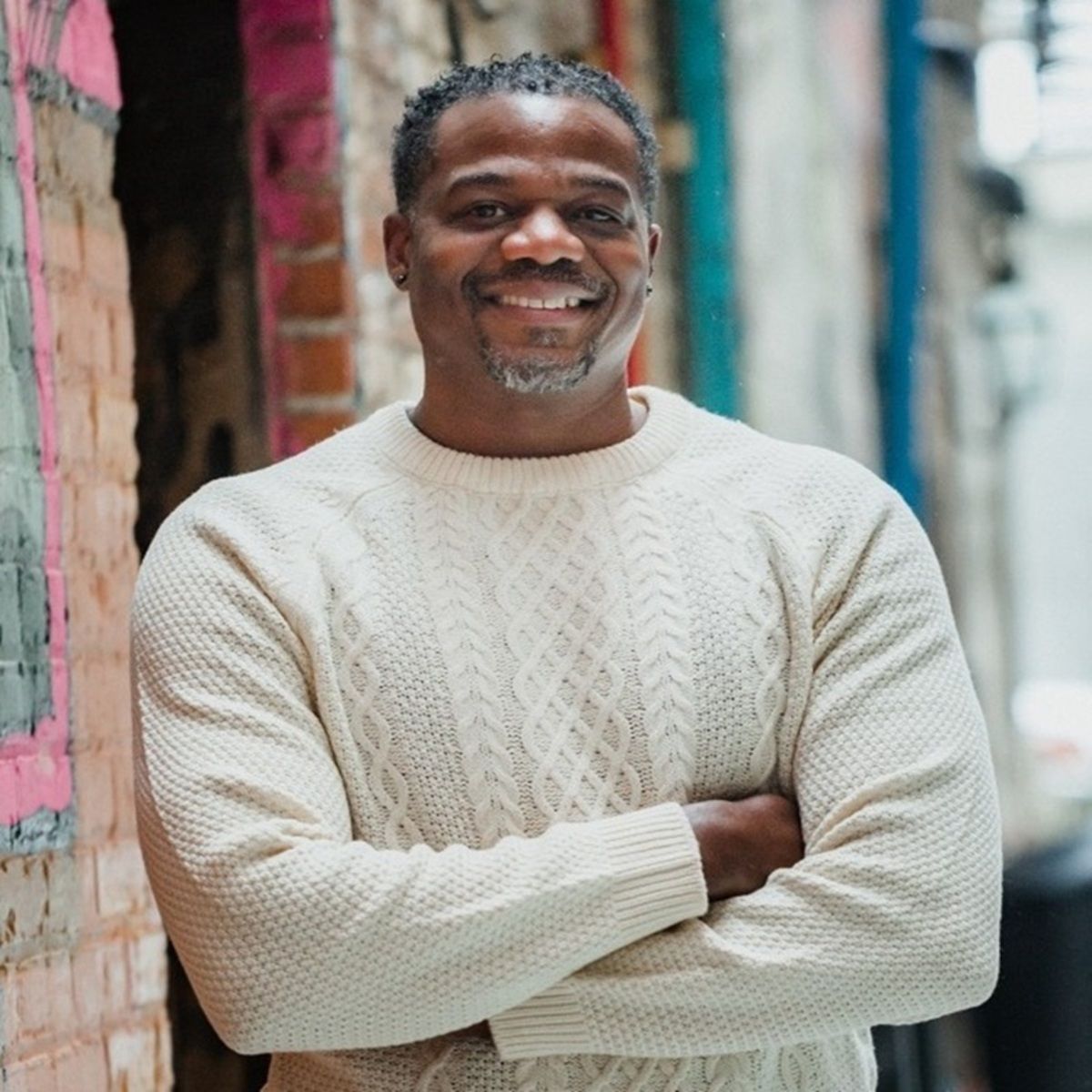
Hey Hey… I’m Abdul I’m the chairman of Ajo Angels and Shujaa Capital and I’m on a mission to introduce angel investing to 25,000 black folks over the next five years. I’m doing this with the goal of narrowing the racial wealth gap as well as trying to close the billion dollar funding gap for black founders.
This information is for educational purposes only and should not be construed as financial advice. Angel investing involves substantial risk, including the risk of total loss. Consult with a qualified financial advisor and attorney before making investment decisions.