
Ajo Angels Weekly is your source for tips, deals, and insights shaping startup investing in the US and Africa. Created to help Black folks build wealth, diversify their portfolios, and impact thier communities.
📘Knowledge Drop: The Fifth Pillar Nobody Talks About
Most private market conversations stop at four things: angel investing, private equity, private credit, and real estate. And that makes sense because those four categories have the most visible entry points and the most obvious stories to pull people in.
But there's a fifth pillar sitting underneath all of it, generating returns while most people don't even know it exists. That's infrastructure.
I'm talking about data centers, fiber networks, power generation, water systems, and renewable energy assets. The physical and digital backbone that everything else runs on. Your phone doesn't work without it. The AI tools everyone's talking about don't run without it. None of it works without this category sitting underneath it all.
So Why Don't People Talk About It?
Because it's boring. There's no flashy original story, no moment where you get to say you saw something before everyone else did. Infrastructure just sits there throwing off cash flow with long-term contracts and inflation protected and providing key services that don't go away when the economy gets weird. And that's the whole point.
The same AI wave that's creating so much noise right now is driving massive demand for data center capacity. Renewable energy mandates are pushing infrastructure investment across every developed and developing economy. Aging utility systems need capital to be replaced or upgraded. None of these are big gambles; these are structural investments backed by hard physical assets. And they're needed rather people are paying attention or not.
What I've observed is that infrastructure assets tend to have lower volatility, longer hold periods, and more predictable outcomes. They're also less crowded than traditional real estate has become, especially at the entry price points that make sense for most investors. The category rewards patience more than it rewards being clever.
Who This Is For
This category is more accessible than it used to be. Specialized infrastructure funds, syndications with infrastructure components, and direct co-investment opportunities exist in this space now in ways they didn't even five years ago. The minimum check sizes have come down, and the number of operators with good track records in this space has grown.
The thing to understand is that infrastructure assets are designed to last for decades. A renewable energy facility gets built with a 25-year power purchase agreement locked in from day one. A data center built today will still be generating cash flows in 2045 and probably well beyond that. That kind of time horizon does something specific to compounding that shorter-horizon plays simply can't replicate, and most investors never get exposure to it because they're always chasing the next big thing.
How It Fits the Bigger Picture
I've been building out a framework this year around longevity investing as the thesis that ties private markets together, and infrastructure fits that thesis well because these assets are built for the long game by design. But this isn't a replacement for angel investing or any of the other pillars we've covered. It's an addition to them.
The way I think about it is this: angel investing is where you chase the big asymmetric upside. Infrastructure is an option where you can build a steady foundation underneath it. Part of a portfolio that is operating on multiple outcomes and time horizons at once, and that's a position most investors never get to because they're either all in basic public investments of on cash flow investments. Having both running at the same time is where things get interesting.
🦄Deals On My Desk
Bias-Free Facial Recognition: AI Built for Accuracy and Trust
Rekognize builds facial recognition AI that is designed to be fair, accurate, and safe. It helps governments, banks, and companies identify people without bias while meeting strict rules and standards.
The Backstory: Many facial recognition systems make more mistakes with people of color. Some systems show up to 10 times higher error rates for darker skin tones, which creates trust and legal problems.
Rekognize was created to fix this by building a fairer system using better data and stronger testing standards. The company focuses on law enforcement, financial services, and corporate compliance, where accuracy and fairness matter most.
Key Innovation: Rekognize uses a large and diverse dataset of over 100 million ethically sourced images and a fairness-tested AI model to reduce bias and improve results.
Its platform is privacy-focused, explainable, and cloud-based, with real-time API tools, audit reporting, and strong security standards like encryption and compliance-ready systems.
Funding: Raising $750K to grow the product, secure certifications, and expand government adoption.
❓Did You Know
Most ealry stage investment returns come from just one or two companies in a portfolio, which is why early ownership in the right startup can outperform years of traditional investing?
Cheers,
Abdul
About Our Chairman
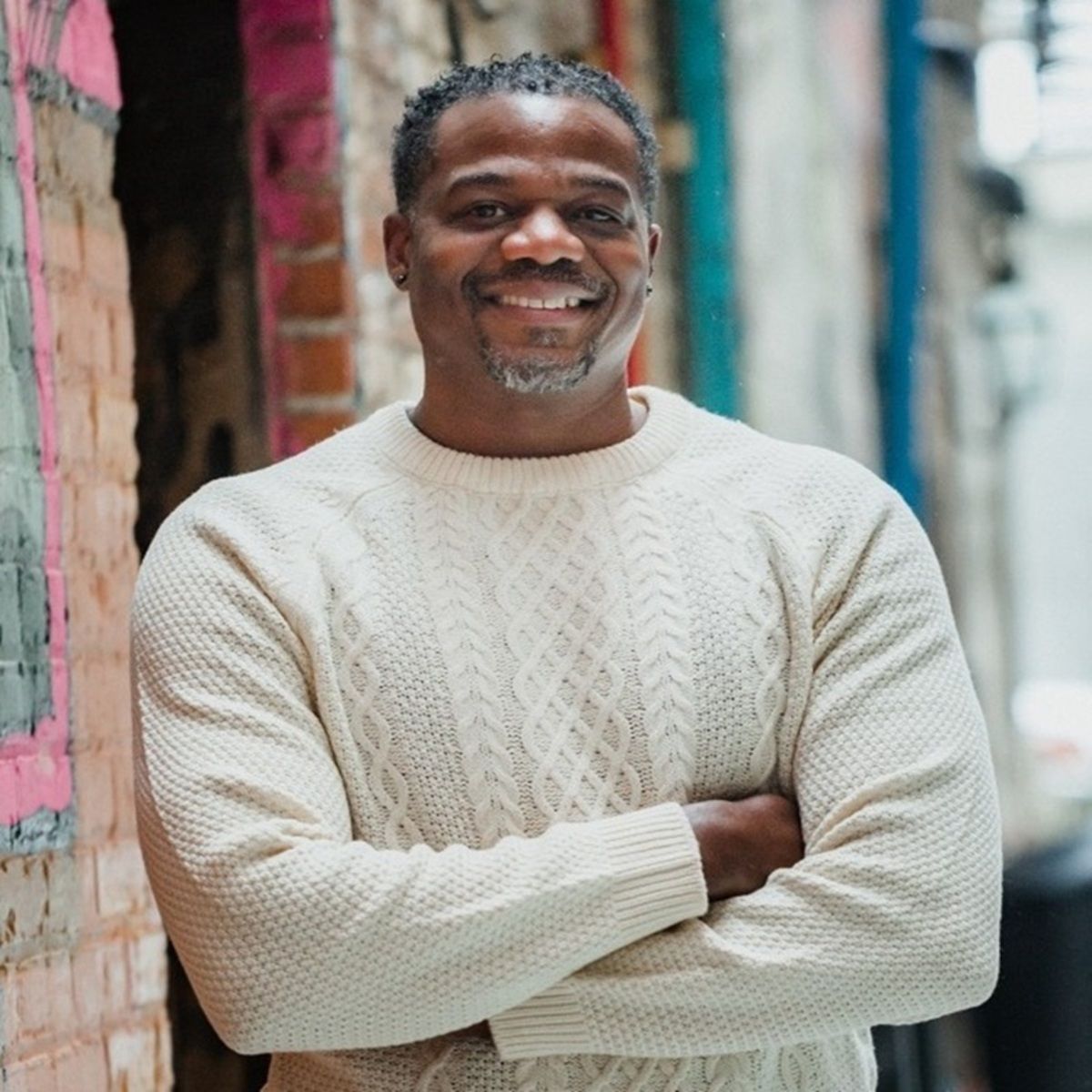
Hey Hey… I’m Abdul I’m the chairman of Ajo Angels and Shujaa Capital and I’m on a mission to introduce angel investing to 25,000 black folks over the next five years. I’m doing this with the goal of narrowing the racial wealth gap as well as trying to close the billion dollar funding gap for black founders.
This information is for educational purposes only and should not be construed as financial advice. Angel investing involves substantial risk, including the risk of total loss. Consult with a qualified financial advisor and attorney before making investment decisions.