
Ajo Angels Weekly is your source for tips, deals, and insights shaping startup investing in the US and Africa. Created to help Black folks build wealth, diversify their portfolios, and impact thier communities.
📘Knowledge Drop: Your First Angel Investments
The Truth About Your First Angel Investments
A former student from my bootcamp asked me a few weeks ago why his first few investments felt like guesses. I told him they probably were, and that's ok cause it's true for almost everyone when they're starting out.
Your first stretch of investments might feel a bit rough and like you don't know what you’re doing. You’ve learned the process and now you’re trying it on your own, but you haven’t yet built up the judgement and gut instinct to know what good looks or feels like yet; that will take time and a lot of deal reps, and there's no shortcut around it.
You Can't Spot What You Haven't Seen
When you're new, you can't tell the difference between a founder with paying customers and a repeatable sales process versus one who's still trying to figure out if anyone wants what they're selling. You haven't seen enough deals to know if a $6M valuation on a pre-revenue company is reasonable. You haven't read enough SAFEs to know which terms are standard and which ones should give u pause.
The deals that new angels tend to see usually aren't the strongest ones either. The best deals get done through tight networks before most people hear about them. Tier 1 founders with options will pick investors they already know or who come through someone they trust. So newer angels tend to end up with whatever they can sneak into and maybe a few leftovers that make it to you. But don’t sweat it right now cause that's how it is when you’re just starting to get access to these networks. It gets much much better with time and as you do more deals, trust me on that.
Getting Reps Before the Reps Get Expensive
The most useful thing you can do before writing checks, or alongside writing small early ones, is start picking companies on paper. Most people don't have the patience for this, but go through Y Combinator's demo day list, pick the ones u think u'd invest in and write down why. Two or three years later go back to that list and the company you were dead sure about is out of business. The one that seemed too weird and uncomfortable just raised its Series A. What you learn from that is that your instincts at the start are not sharp yet and may be pointing you in the wrong direction, and doing it by trial and error on paper first means it didn't cost you anything.
You can also stack reps by signing up for syndicates like Ajo Angels Collective to see high quality deal flow. You don't have to invest in every deal. Talk to the founders, review the deck, and deal terms, ask yourself what you'd do and why. Reviewing fifty deals really changes how you look at deal fifty-one because the best way to learn this is by doing it.
What Your First Deals Will Actually Look Like
Go in with realistic expectations. If you’re doing this solo, your deal flow will be limited because you haven't built the track record or the connections that make founders want to call you for their next raise.
That's a problem that fixes itself as you go, but you have to actually go.
Start with smaller checks through syndicates. Getting into deals at $1k to $2k so you can start doing a steady volume of deals while you build and improve your judgment. Twenty small investments will teach you more than one large check ever could.
What Starts Happening Around Investment 15
At around 15 investments something should click for you. The founders you backed start introducing you to others who are raising. Deal flow gets better from relationships you built through the early reps. Your read on companies gets sharper cause you've now seen enough to feel the difference between actual traction and a well told story of traction.
The network builds in ways that are hard to describe until you're living it. It’s kinda like your portfolio starts connecting to itself. Your name starts doing work you don't have to do manually. That's the part most people skip when they talk about how angel investing builds wealth; the access and the judgment both grow, and they grow together.
The angels with strong track records were bad at this in the beginning too. The difference is they kept going through the part where they weren't good yet.
Pull up the latest YC batch and pick ten companies you'd back. Write down why. That's where it starts.
🦄Deals On My Desk
The Infrastructure Layer For Diaspora Investing Into Africa
Borderless is building the infrastructure that helps Africans abroad invest back home, without the chaos, trust issues, and operational headaches that normally come with it. Instead of relying on scattered WhatsApp groups, manual payouts, and informal syndicates, Borderless gives collectives and investors a single platform to pool capital, manage compliance, process payments, and distribute returns across borders.
The Backstory: Every year, Africans living abroad send more than $100 billion back home, and billions more sit idle in Western bank accounts earning very little. Many want to invest in startups, real estate, and businesses across Africa, but the process is fragmented, risky, and hard to trust. The founders behind Borderless saw this firsthand and built the company to become the infrastructure layer connecting diaspora capital to African opportunities in a structured and scalable way.
Key Innovation:
Borderless combines:
collective investing infrastructure
cross-border payments
KYC and compliance
multi-currency support
stablecoin-powered settlement
deal flow management
return distribution
into a single platform designed specifically for African diaspora investing. The company is positioning itself as the operating system for diaspora collectives, syndicates, and investment communities across Africa.
Traction:
So far, Borderless has:
processed $1.7M+
onboarded 14 collectives
built a pipeline of $5M+ immediate opportunities
grown to 2,500+ users in18 months
generated roughly $82K in revenue in 12 months
The company has more than 100 collectives on its waitlist.
Funding: Raising $2 million. The funds will be used for regulatory expansion, product development, hiring, customer growth, and AI-powered tooling.
❓Did You Know
Klarna replaced hundreds of customer support jobs with AI, then quietly started hiring humans back after customers complained the AI experience was worse than expected?
Cheers,
Abdul
About Our Chairman
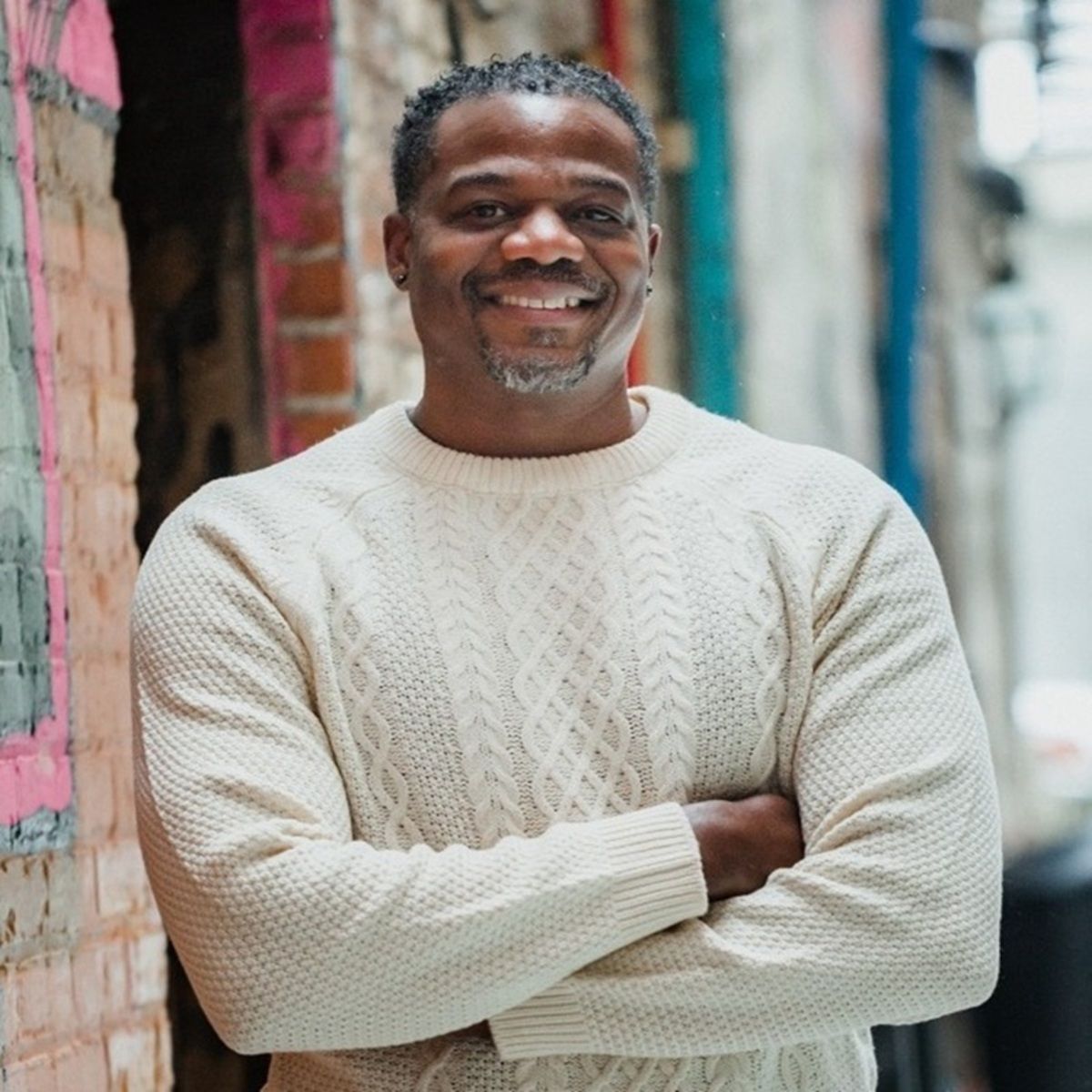
Hey Hey… I’m Abdul I’m the chairman of Ajo Angels and Shujaa Capital and I’m on a mission to introduce angel investing to 25,000 black folks over the next five years. I’m doing this with the goal of narrowing the racial wealth gap as well as trying to close the billion dollar funding gap for black founders.
This information is for educational purposes only and should not be construed as financial advice. Angel investing involves substantial risk, including the risk of total loss. Consult with a qualified financial advisor and attorney before making investment decisions.