
Ajo Angels Weekly is your source for tips, deals, and insights shaping startup investing in the US and Africa. Created to help Black folks build wealth, diversify their portfolios, and impact thier communities.
📘Knowledge Drop: The Importance of a Portfolio
I've watched this play out more times than I can count. Someone gets their first real chunk of cash together, maybe $25K or $50K, and they find one company that they believe in. The founder is sharp, the product is good and the market seems right, so they put the whole thing into one deal.
Then they wait, and they keep waiting, and five years later they're still sitting there hoping that company exits. But the founders broke up or the market shifted. And now they've got no other shots at a big win, they had one company and all of their hope of hope riding on it.
I get the instinct cause when you find something you believe in, going all in feels like a smart move. But in angel investing, it's one of the fastest ways to get burnt.
The Math Don’t Care
Angel investing returns come from outliers, you're looking for a company that will provide a many times multiple. But most of them fail, some break even, a few do okay, like 2x or 3x and then one or two do something wild like 100x.
If all your money is in one company, you're betting that your one pick is the wild one. You need to be right about that specific company, and the odds of that happening are like worse than you winning the lottery
But spread that same money across ten or 15 companies and the math changes. You don't need every company to win, you just need one or two to blow up, and the chances of catching one go way up when you've got more companies working in the background.
This is how venture capital firms have worked for decades. They make a bunch of bets, most don't pan out, but the few that do make up for everything else and then some. There's no reason angel investors shouldn't think the same way.
What I Learned From My Own Portfolio
Early on in my investing, I’d put all my hopes and dreams in one or two companies. When they didn't pan out, I kinda soured in it. But fortunately for me I came across someone who would become my mentor and he taught me that building a portfolio is the best way to set yourself up to win.
Once I started spreading my money across more companies, something changed that I didn't expect. I also got better at investing. When you've got multiple companies in your portfolio, you're not sweating every update from one founder, you can step back and see patterns, learn from the ones that struggle, and start to notice what the winners have in common. You build real judgment as an investor cause you've got enough data points to learn from.
The deals where I learned the most weren't the ones I put the biggest checks into, they were the ones I could watch with enough distance to think clearly about what was working and what wasn't. That only happens when you've got a real portfolio.
A Quick Example
Say you've got $50K and you put it all into one company. If that company fails, you're done, and if it does okay, maybe you double your money, which isn't bad but it's not the kind of return that changes your life.
Now take that same $50K and split it five ways. Two companies might fail and that's $20K gone, but one does 3x, another does 2x, and the last one catches fire and does 20x on your $10K, which alone turns into $200K. Your total return crushes what the all-in approach would've given you, and you didn't need to pick the perfect company to get there, you just needed enough companies in the mix for the math to work in your favor.
And here's the part people miss about the two companies that failed. They taught you something about what to look for next time, what to be careful with, and what red flags you may have ignored cause you got too hyped about the deal or the possibilities. That experience grows over time and makes every investment after that a little sharper, which is something you'd never get if all your money was locked up in one deal that went bad.
How To Start Building
You don't need $50K to do this. You can start with $2K, $5k or $10K, find a few companies you believe in, put $1K or $2K into each one, and build from there. Do it again next year and the year after that.
Over time, you'll have a real portfolio with real data and real experience behind it. Some companies will fail and that's expected, some will do okay, and one or two could surprise you in a big way. When that happens, you'll be glad you gave yourself enough chances to catch it.
The "big bet" approach feels focused, but it's not smart. Real angel investing is about building a portfolio and letting the math do the hard work over time.
🦄Deals On My Desk
Fitness Tech for Everyday Athletes
Summary: MTRC is a fitness tech company that helps people work out better without needing a personal trainer. It uses smart hardware and software to track your workouts, guide you in real time, and help you stay consistent. It works with the equipment people already use in gyms, making fitness easier and more affordable.
The Backstory: Most people struggle to stay consistent with fitness. Not because they do not care, but because they lack time, money, or knowledge. Personal trainers are expensive, and most people do not know what to do in the gym. At the same time, more people want to get healthier and live longer. The team built mtrc to solve this by making expert-level guidance available to everyday people at a low cost.
Key Innovation: MTRC combines hardware, software, and machine learning into one system. The hardware attaches to gym equipment and tracks real movement data. The software uses that data to guide workouts in real time and personalize training for each user. It also gives gyms a dashboard to manage members and track performance. Unlike other fitness tech, it works with existing equipment, costs much less, and delivers both tracking and coaching in one place.
Funding: MTRC is raising $250K pre-seed on a SAFE with a $6M cap and 20% discount. The funds will be used to deploy pilot programs, convert gyms into paying customers, and scale the business.
❓Did You Know
Most millionaires didn’t get rich from their paycheck? Studies show over 80% of millionaires built their wealth through owning assets like businesses, real estate, and investments that grow and pay them over time, not just from income.
Cheers,
Abdul
About Our Chairman
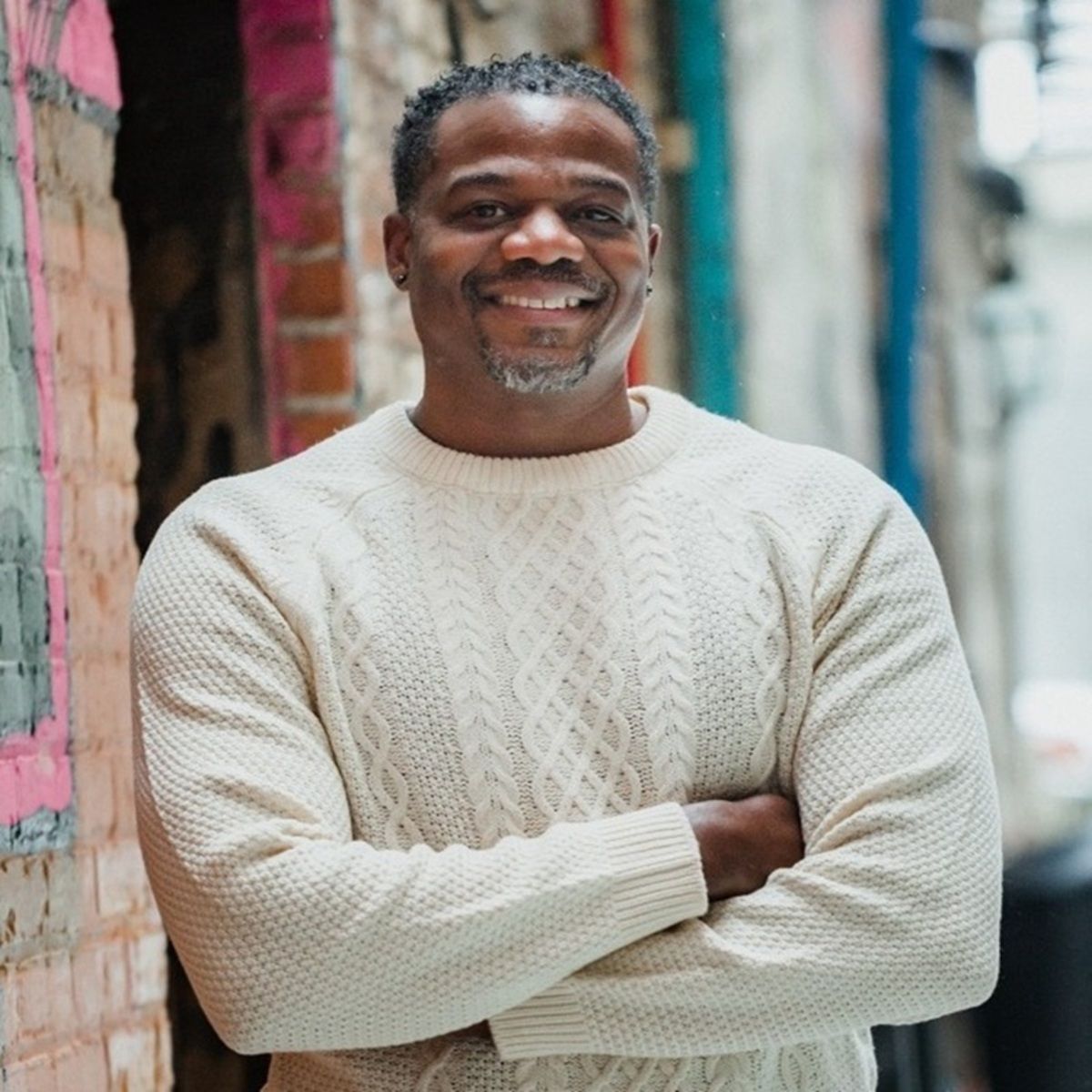
Hey Hey… I’m Abdul I’m the chairman of Ajo Angels and Shujaa Capital and I’m on a mission to introduce angel investing to 25,000 black folks over the next five years. I’m doing this with the goal of narrowing the racial wealth gap as well as trying to close the billion dollar funding gap for black founders.
This information is for educational purposes only and should not be construed as financial advice. Angel investing involves substantial risk, including the risk of total loss. Consult with a qualified financial advisor and attorney before making investment decisions.