
There's a pattern I keep seeing in our community when it comes to investing, and it's costing us generational wealth.
We tend to land on one of two extremes: either we're so risk-averse that our money sits in savings accounts earning practically nothing, or we're swinging for the fences with crypto schemes, and whatever investment opportunity promises to 10x our money by next quarter.
What's missing is the middle ground where real wealth gets built.
The Two Camps
Camp One: The Ultra-Conservative
This comes from a scarcity mind set and these are folks keeping $50,000 in a checking account "just in case." They've heard horror stories about the stock market, don't trust Wall Street, and believe the safest move is no move at all. Their parents or grandparents might have lost everything from being laid off and other job instability or from a bad investment, or they've watched predatory schemes target their community. So they hold cash, avoid risk entirely, and watch inflation eat up their purchasing power year after year.
Camp Two: The Get-Rich-Quick Chasers
Then there's the other side, people jumping into whatever's hot right now. Dogecoin when it's already peaked. That friend's "investment opportunity" that requires recruiting three more people. The trading course promising you can quit your job in six months. NFTs. Forex trading with money they can't afford to lose. They're not scared of risk, they're attracted to things that promise a shortcut to wealth.
Here's what both camps have in common: they're reacting to the same underlying issue: a lack of access to the strategic wealth-building knowledge and opportunities that have been gatekept from our communities for generations.
Why We Split Into Extremes
The ultra-conservative thinking makes sense when you understand our history. We've been systematically excluded from wealth-building opportunities, targeted by predatory lenders, and burned by financial institutions that didn't have our interests at heart. Of course there's skepticism. Of course there's caution.
But that same exclusion can create desperation. When you're working hard, playing by the rules, and still can't seem to get ahead, the promise of a shortcut can sound pretty good.
Social media amplifies this. We see someone claiming they made $100K in crypto, bought their mom a house through day trading, or retired at 30 from their "business opportunity." We don't see the thousands who lost everything trying the same thing.
The Missing Middle: Strategic Risk-Taking
Real wealth building happens in the areas between these extremes.
This is where angel investing fits: not as a get-rich-quick scheme, but as a legitimate component of a diversified strategy that includes calculated risk.
Here is what strategic risk-taking looks like:
The foundation. Have an emergency fund built; pay off high-interest debt and make sure your retirement accounts are getting consistent contributions. This isn't optional because it's the foundation that everything else is built on.
Boring investments as the base. The majority of your portfolio should be in index funds and ETFs because the boring stuff steadily compounds over time on autopilot. This is how you make sure you'll be okay even if your higher-risk investments don't pan out.
Allocate a bit to higher-risk, higher-reward investments. This is where angel investing comes in. Set aside 5-10% of your investment funds that you can do without for some years and can afford to lose. Invest it across multiple early-stage companies.
Be patient and disciplined. Angel investments take 5-10 years to mature. You can't check the value daily like crypto or stocks and your pull out game doesn’t matter because you can't pull out when you get nervous anyway.
Educate yourself. Don’t pick companies based on hype or a hot tip from social media. You should be evaluating business models, understanding term sheets, assessing markets. There's a learning curve, and that's good because it can protect you from impulsive decisions.
Angel Investing: The "Safe" Way to Take Real Risk
I put "safe" in quotes because angel investing is risky, I wanna be clear about that. Most startups fail. But here's why it's safer than the get-rich-quick alternatives or not having a sound investment strategy.
It's structured risk. You're getting real equity in companies. You have legal protections and you can research the opportunity. Compare this to throwing money at the latest hot meme coin or an MLM where you have no idea what you actually own.
The math works if you diversify. Invest $1,000 into ten companies. If nine fail and one returns 30x, you've tripled your money. Venture capitalists have proven this model for decades. The get-rich-quick crowd puts everything on just one bet and that's not good
You build real knowledge. Every pitch deck you review, every founder you meet, every investment you make teaches you about business, valuation, and markets. This gets you smarter over time but chasing schemes teaches you nothing but how to lose money faster next time.
You can support what you believe in. Want to back Black founders who are systematically underfunded? Your investment dollars can align with your values while still pursuing returns.
The timeline protects you. You can't panic sell an angel investment at 2am because you saw a scary tweet. The illiquidity that seems like a weakness is actually a strength: it forces the long-term thinking that builds wealth.
Breaking the Cycle
So how do we move from the extremes to the middle?
For the ultra-conservative folks: Start small. You don't have to invest everything. Take 5% of your savings and put it in a simple index fund. Watch it for a year. See that the market doesn't eat it overnight. Build confidence gradually. Consider a single $1,000 angel investment through a trusted syndicate like Ajo Angels, small enough not to hurt but large enough to learn.
For the get-rich-quick chasing people: Recognize that everyone selling you speed is selling you something. Real wealth building is boring. It's regular contributions, annual rebalancing, and patience measured in decades, not days. If an opportunity promises outsized returns with no risk, it's lying about one or both of those things.
For everyone: Educate yourself from credible sources. Read books about investing, not just Instagram finance influencers. Understand the difference between investing and speculating. Build a written investment plan and stick to it, even when emotions run high.
The Real Opportunity
The wealth gap won't close by playing it safe, and it definitely won't close by chasing schemes.
It closes when we embrace strategic, informed and calculated risk-taking. When we learn how to build investment portfolios that are fundamentally sound combined with the right amount of risk using alternative investments like angel investing. I look at it as having the right combination of boldness and patience.
The system has excluded us from these opportunities for generations. The response isn't to avoid them entirely or to replace them with worse alternatives. It's to claim our seat at the table and use the same tools that have built wealth for others.
Angel investing isn't magic. It won't make you rich overnight. But as part of a balanced strategy, it offers something powerful: the chance to participate in life changing wealth creation, support founders solving real problems, and build the kind of portfolio that can actually change your family's financial trajectory.
The middle ground isn't sexy. but it works. And that's worth more than any get-rich-quick scheme or savings account will ever deliver.
Cheers,
~Abdul
This article is for educational purposes only and should not be construed as financial advice. All investing involves risk, including the risk of loss. Consult with a qualified financial advisor before making investment decisions.
About Our Chairman
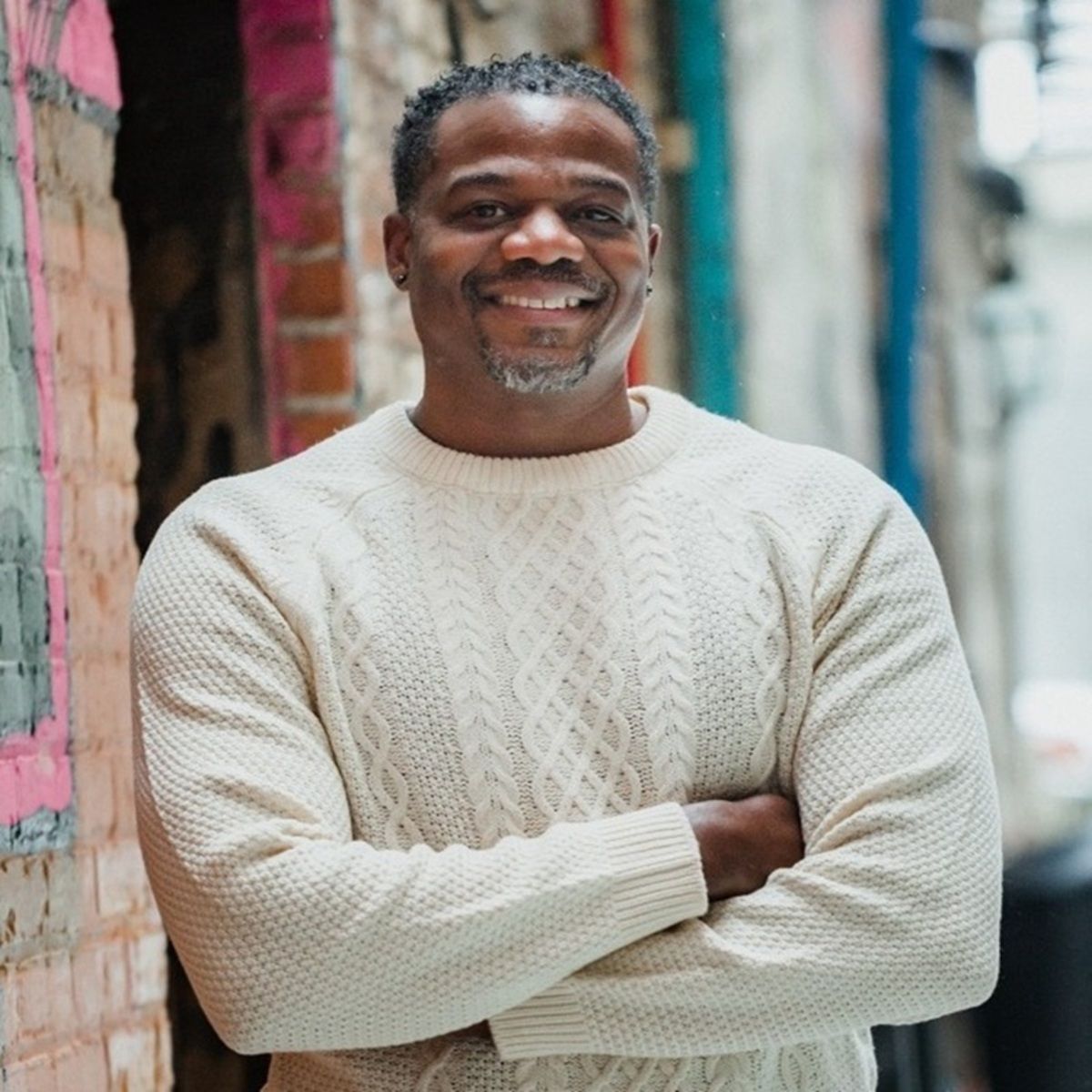
Hey Hey… I’m Abdul I’m the chaiman of Ajo Angels and Shujaa Capital and I’m on a mission to introduce angel investing to 25,000 black folks over the next five years. I’m doing this with the goal of narrowing the racial wealth gap as well as trying to close the billion dollar funding gap for black founders.