
I was riding through a rough area of Dallas last week and started thinking about gentrification as I saw hints of it in the area, then I thought about how most black folks I’ve ever heard talking about gentrification do so with a sense of fear, dread and disdain. And honestly, the fear and disdain makes sense.
I mean, they have good reason to be since historically, Black people in this country have been displaced over and over again. Neighborhoods got bulldozed in the name of urban renewal, or gentrification kicks in, property values go up, taxes go up, and somehow the people who held it down when things were bad don’t get to enjoy it when things get better. Add in eminent domain and other government nonsense, and there’s plenty of reason to be fearful.
None of that is changing though. Gentrification isn't a trend that’s going away. It’s a market force. And markets don’t stop because people are uncomfortable with them.
So instead of being scared of it, I think the smarter move is figuring out how to use it to our advantage while also reducing the harm it causes. That only really happens through ownership.
I learned this lesson in Detroit. In the mid-2000s, I moved back to Detroit from Texas. At first, I was looking to buy in the suburbs for all of the obvious reasons. But as I started to get more acclimated to what was going on in Detroit, I realized that I should buy a home in the city because positive changes were beginning to happen. After a few months I was 100% convinced that Detroit was where I needed to buy.
I started telling people that too. I remember talking to one of my frat brothers who lived in his family home on the west side. He wanted to sell and move to the suburbs, mostly for better schools, which I completely understood. But I kept telling him not to sell the house. Even if he moved, I told him to keep the family home in Detroit.
I was saying that because many Black home owners rode the property values wave down to the bottom, why not stay for a bit longer and ride it back up. But when you’ve aspired to get out of a place for your whole life it's hard to pivot on a dime. I think I benefited from leaving the city so I'd already scratched that itch.
Within 6 months of moving back, I’d bought a 100-year-old mansion in a storied historic neighborhood of Detroit. It was almost 10,000 square feet, sitting two acres and about eight minutes west of downtown. I paid $465K cash for it and was just its 3rd owner in 100 years.
A few months later, Detroit filed for bankruptcy…D'oh!
People thought I was crazy when I got that house. The house needed lots of work, and some folks literally laughed out loud at me. I had big plans for renovations, but ended up doing less. Five years later I was able to sell it for over a million dollars.

After that, I bought again. This time it was a new McMansion in a gated community about seven minutes east of downtown, off the Detroit River. It was a few blocks from my grandfather’s old house, where I spent a lot of time growing up.
That neighborhood had been through a lot. It was a shell of its former self, but there were tiny and easy to miss signs of new life.
People didn't laugh as loud about that purchase, mostly because the house was new, over 4,000 square feet and beautiful; but they still bristled a bit because it was very close to a really rough area. Four years later, I sold that house and made over $200K more than I paid. Not bad for a brand new house that I didn’t put any money into.

So what's my point, and what does it have to do with angel investing (investing in tech startups). My point is that like with gentrification, the key is early ownership. Because I was “brave” enough to buy those homes early and in what most people considered very risky areas, I was able to profit huge from taking that calculated risk.
The people who bought those homes from me might still make money off of them. But they’ll make a lot less than I did and it’ll take them longer. Because I got in earlier, I was able to capture most of the financial benefits.
That’s how early ownership works. And it’s the same exact thing with angel investing.
When you invest early in startups, before everybody feels comfortable, you’re in position to capture most of the financial gain. By the time a company is popular or feels safe, the biggest gains have already been taken by the investors that got in way before you.
Buying stocks on Robinhood or other brokers is like buying after the neighborhood has already been gentrified. Angel investing is like buying property when people are still nervous about being there.
I’m not saying ignore risks. I am saying don’t let fear or generational trauma stop you from making smart financial moves.
Early ownership gives you more upside and leverage.
Markets are going to move whether you like it or not. The difference is whether you’re positioned early enough to benefit from that movement or let yourself be stuck reacting to it.
That lesson showed up for me in real estate first. Angel investing just happens to be another place where it applies.
Cheers,
~Abdul
About Our Chairman
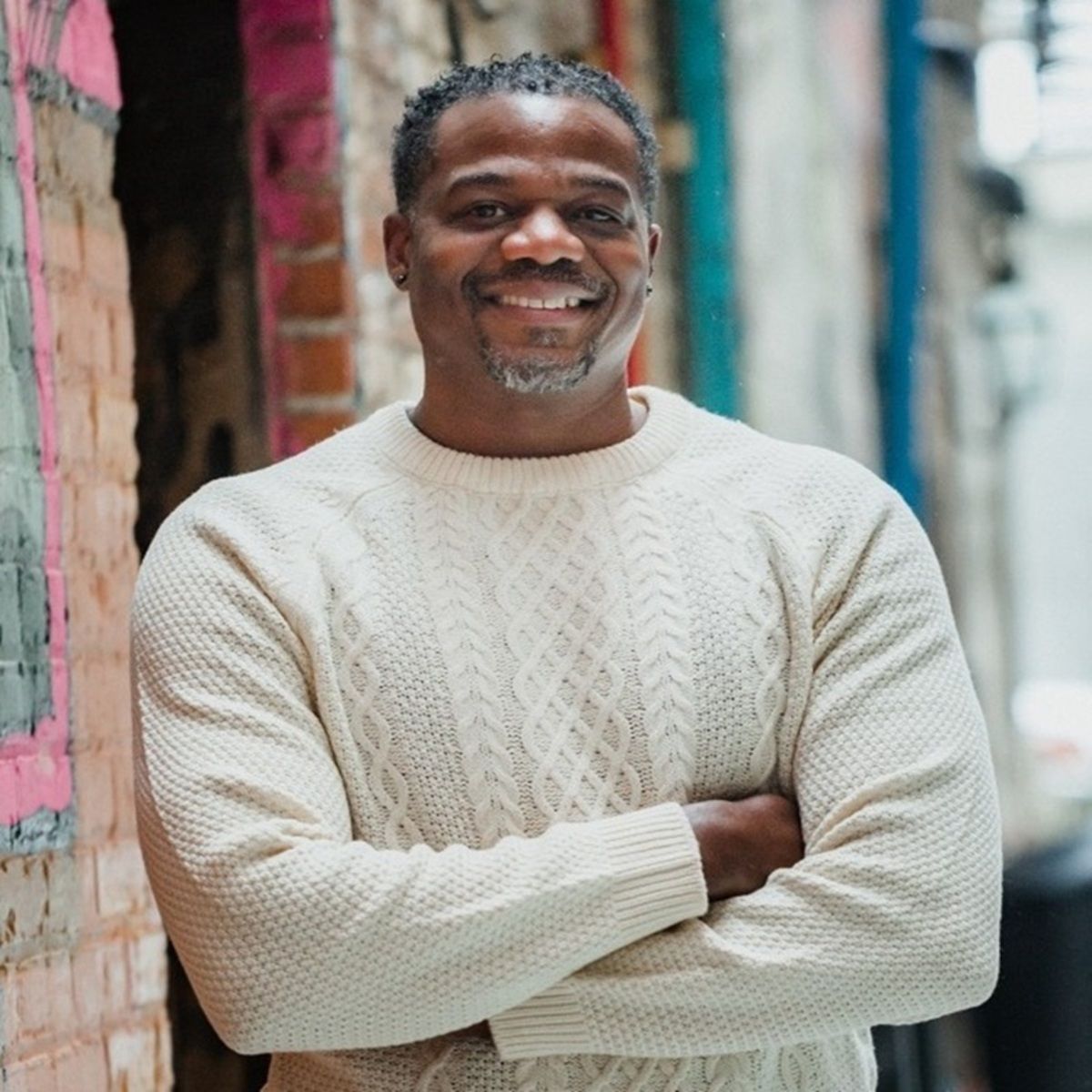
Hey Hey… I’m Abdul I’m the chaiman of Ajo Angels and Shujaa Capital and I’m on a mission to introduce angel investing to 25,000 black folks over the next five years. I’m doing this with the goal of narrowing the racial wealth gap as well as trying to close the billion dollar funding gap for black founders.